Hotel Interiors: Lighting Techniques That Showcase Your Space
Explore hotel interior photography lighting techniques that help hospitality spaces look refined, welcoming, and commercially persuasive online.
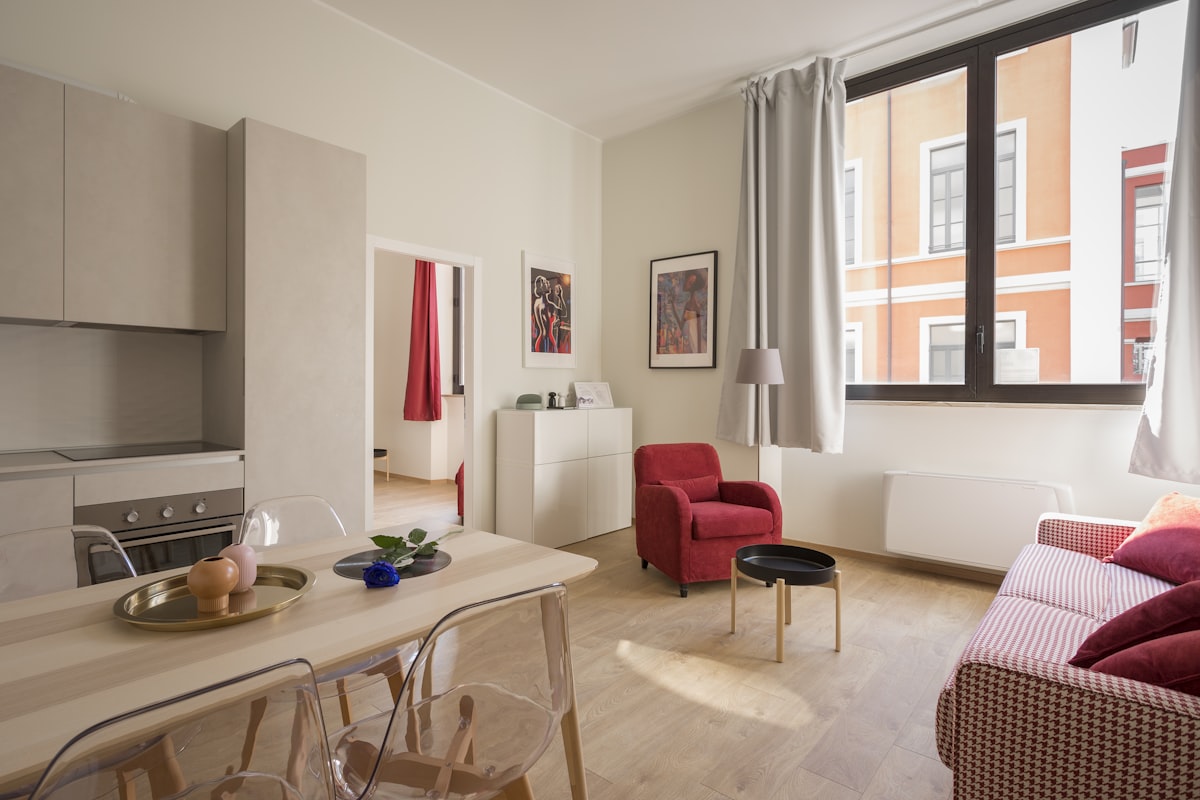
Interior photography succeeds when it preserves atmosphere while still revealing the quality of the space. Lighting choices are central to making that happen.
Atmosphere is part of the product
In hotel interiors, lighting does more than reveal furniture. It communicates mood, quality, warmth, cleanliness, and brand position. A well-lit luxury suite should feel calm and premium, not harsh or overexposed.
This is why hospitality photographers rarely chase maximum brightness. The aim is to preserve the ambience of the space while still ensuring the guest can understand layout, material quality, and the experience of being inside the room.
Balance natural and practical light carefully
Window light often gives hotel interiors their softness and depth, but practical lamps and architectural lighting are part of the guest experience too. Strong interior photography usually depends on balancing those two sources rather than choosing one over the other.
If the room is flooded only with ambient daylight, it may lose the warmth the designer intended. If practicals dominate, colours can become muddy and detail can disappear. The best results come from controlled blending and patient timing.
Composition helps the light work harder
Lighting and composition should be planned together. The direction of light influences how texture appears on bedding, timber, stone, and upholstery. Camera position determines whether windows feel expansive, whether the room feels generous, and whether the shot reflects real guest perspective.
Good composition also avoids visual clutter. Hospitality marketing works better when the frame is calm enough for the eye to understand the hierarchy of the space quickly.
Detail shots support conversion
Wide room shots do important work, but many guests decide between similar properties based on details: the finish of the bathroom, the quality of the minibar area, the bedside lighting, the reading chair, or the desk setup. Lighting those details properly adds confidence and perceived value.
Those images are also useful beyond the website. They support design features, social content, editorial placements, and premium sales presentations.
Interior photography should feel truthful
Over-editing and exaggerated wide-angle treatments can create a mismatch between expectation and reality. In hospitality marketing, that mismatch is expensive because it leads to disappointment, poor reviews, and weaker trust.
The most effective interior imagery shows the property in a polished but credible way. That balance is what helps photography convert while still protecting the guest experience and the brand.
Relevant Services
Explore the hospitality photography services most closely related to this topic.
Related Articles
Continue exploring practical hospitality photography and marketing insights.
Marketing
The Impact of Professional Photography on Hotel Bookings
Studies show that strong hotel imagery shapes booking decisions long before a guest compares room rates. Here is how better photography translates into better commercial results.
Read article →Food Photography
Food Photography Tips for Restaurants and Hotels
Food photography can influence reservations, upsells, and guest expectations. These practical tips help hospitality brands create images that feel premium, appetising, and commercially useful.
Read article →Drone Photography
Why Aerial Drone Photography is Essential for Resorts
Resorts often sell location, scale, and atmosphere as much as rooms. Aerial imagery helps show those advantages quickly and in a way guests immediately understand.
Read article →Need help creating hospitality visuals that convert?
Talk to Mauro about photography and video content tailored to hotels, resorts, restaurants, and hospitality brands across Asia Pacific.