Food Photography Tips for Restaurants and Hotels
Discover practical food photography tips for restaurants and hotels, from lighting and styling to platform-specific image planning for hospitality marketing.
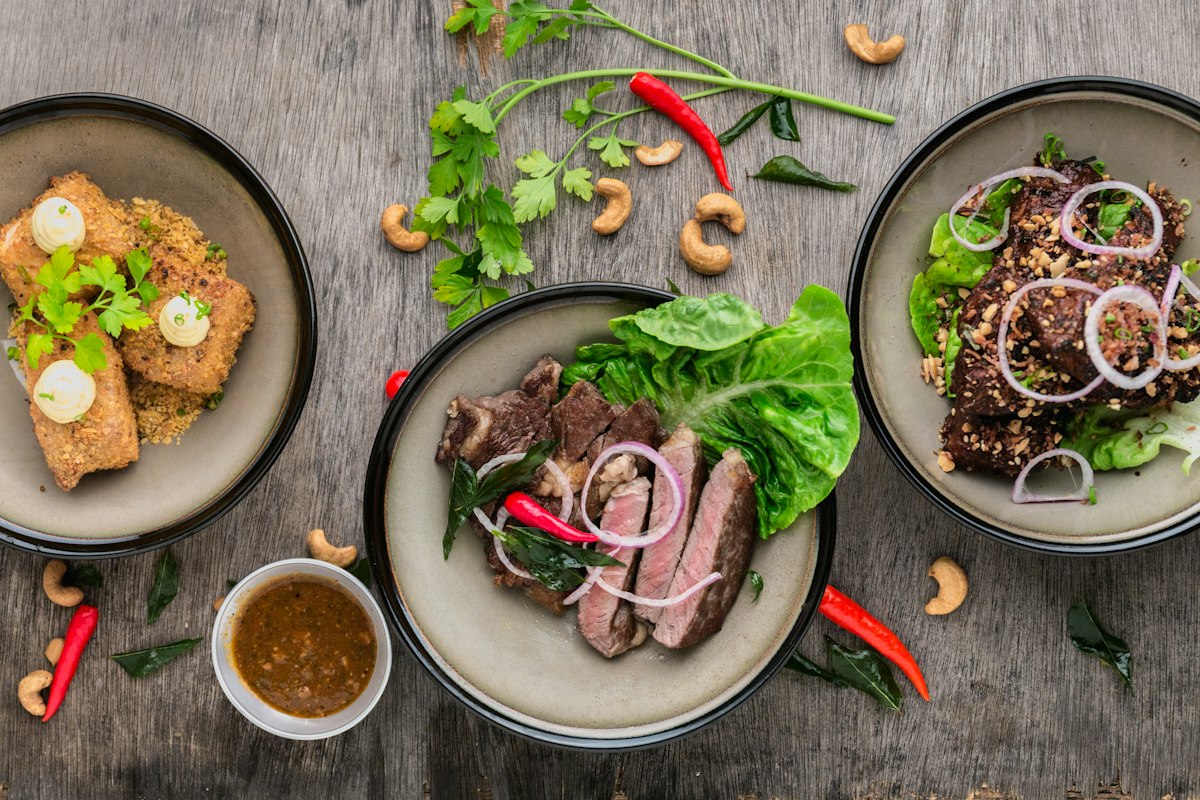
Food photography can influence reservations, upsells, and guest expectations. These practical tips help hospitality brands create images that feel premium, appetising, and commercially useful.
Lead with the dining story, not just the plate
The strongest hospitality food photography sells more than a dish. It sells the mood of the venue, the level of service, the style of plating, and the type of experience a guest can expect from breakfast through to cocktails and late-night dining.
That means planning images in context. Hero dish shots are important, but so are scenes that show the table setting, natural light, signature drinks, hands in frame, and the relationship between the food and the venue itself.
Lighting is what makes food feel fresh
Soft directional light usually performs best because it reveals texture without flattening the dish. Highlights on glassware, subtle shadow on cutlery, and controlled contrast on sauces or garnish all contribute to the sense that the plate is fresh, detailed, and worth ordering.
Over-lighting often makes food feel lifeless. In hospitality photography, the goal is rarely a clinically bright image. It is a balanced image that feels edible, premium, and aligned with the atmosphere of the venue.
Styling should support the brand position
A luxury hotel restaurant, a beach club, and a casual all-day dining venue should not be styled the same way. Props, backgrounds, linens, glassware, and crop choices need to reflect the dining concept and target audience.
Before a shoot, it helps to define which items are signature, which items are seasonal, and which images are intended for menus, booking pages, campaigns, or social media. That clarity avoids generic outputs and produces a more commercially useful library.
Think about where the images will live
A menu hero, a website banner, an Instagram reel cover, and an OTA restaurant listing all require different framing decisions. Hospitality teams get better results when they plan image crops and orientations at shoot time instead of trying to force one horizontal shot into every platform later.
It is also worth capturing ingredient detail, chef interaction, and wider context images because guests respond to variety. A balanced set gives marketing teams more flexibility and helps the venue stay visually fresh over time.
Good food imagery supports revenue beyond the restaurant
For hotels, food photography strengthens more than dining covers. It can support room packages, event sales, wedding marketing, seasonal campaigns, and local press outreach. Strong culinary imagery makes the entire property feel more complete and experience-led.
When the visuals match the real guest experience, food photography becomes a practical sales tool rather than decorative content. That is when it starts contributing to bookings, not just likes.
Relevant Services
Explore the hospitality photography services most closely related to this topic.
Related Articles
Continue exploring practical hospitality photography and marketing insights.
Marketing
The Impact of Professional Photography on Hotel Bookings
Studies show that strong hotel imagery shapes booking decisions long before a guest compares room rates. Here is how better photography translates into better commercial results.
Read article →Drone Photography
Why Aerial Drone Photography is Essential for Resorts
Resorts often sell location, scale, and atmosphere as much as rooms. Aerial imagery helps show those advantages quickly and in a way guests immediately understand.
Read article →Social Media
Social Media Photography Tips for Hospitality Brands
Not every image that works on a website works on social media. Hospitality brands need assets that fit fast-scrolling behaviour, platform formats, and audience expectations.
Read article →Need help creating hospitality visuals that convert?
Talk to Mauro about photography and video content tailored to hotels, resorts, restaurants, and hospitality brands across Asia Pacific.